
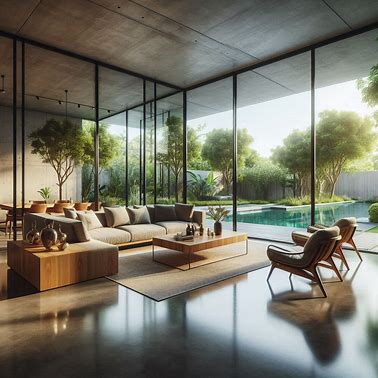
 Concrete has become a symbol of modern architecture, loved for its raw beauty and timeless simplicity. What was once considered a purely industrial material has evolved into a design element that defines contemporary spaces. From minimalist homes to high-end offices, polished concrete floors have become a cornerstone of interior design, offering both functionality and elegance.
The appeal of concrete lies in its versatility and the way it adapts to different styles. Designers are now blending it with materials like glass, metal, and wood to create balanced and refined spaces. A perfect example of this minimalist sophistication can be seen in the Monolith Concrete Floor (monoliet Beton vloer), a popular choice among architects seeking sleek finishes and sustainable materials. Its smooth surface reflects light beautifully, adding depth and warmth to interiors that might otherwise feel cold or sterile.
The Beauty of Simplicity
Minimalism thrives on simplicity and precision, and concrete delivers both. For readers who want to explore this philosophy further, check out Minimalist Design: Why Less is More in 2024. Its neutral tone allows other design elements to stand out, whether it is a sculptural metal staircase, large glass windows, or a statement piece of wooden furniture. The absence of unnecessary ornamentation directs focus to the essentials—form, texture, and light.
Architects often describe concrete as a “living” material. It changes subtly with time, gaining a natural patina that tells the story of the space. This organic evolution complements the minimalist philosophy, which values authenticity over perfection. The concrete floor becomes a silent participant in the design, grounding the space with its weight and presence.
Pairing Concrete with Other Elements
Modern designers have mastered the art of pairing concrete with contrasting materials. The cool, industrial look of concrete blends effortlessly with the transparency of glass, creating an airy and open feeling. When used with metal, it enhances a space’s urban edge, making it ideal for lofts and creative studios. Combined with wood, it strikes a balance between warmth and structure, perfect for homes seeking a minimalist yet inviting atmosphere.
For example, a concrete floor paired with oak furniture can soften the look of an otherwise modern home. Large glass panels further amplify natural light, which dances across the surface of the concrete, creating a play of shadows and reflections. The result is both elegant and alive, proof that minimalism is never dull when done with intention.
Function Meets Form
Beyond aesthetics, concrete offers practical advantages that make it a smart design choice. It is durable, easy to maintain, and energy-efficient. Its thermal mass helps regulate indoor temperatures, keeping spaces cooler during summer and warmer in winter. These qualities make it a favorite among sustainable designers who aim to minimize environmental impact while maintaining visual appeal.
Polished finishes, like the Monolith Concrete Floor, elevate practicality into art. The seamless surface not only enhances visual continuity but also simplifies cleaning and maintenance. Unlike tiles or wooden floors, there are no joints or crevices where dust can accumulate, making it ideal for modern homes that value cleanliness and minimal upkeep.
Designing with Light and Texture
Lighting plays a crucial role in showcasing the beauty of concrete. The way light interacts with the material’s texture transforms the mood of a room throughout the day. Soft morning light can make the surface appear matte and gentle, while artificial lighting at night can highlight its polished sheen. Designers often use indirect lighting or spotlights to accentuate these subtle shifts, emphasizing the sculptural quality of concrete.
Texture also adds character to minimalist spaces. A smooth, reflective finish can make an area feel sophisticated and modern, while a matte or rougher texture introduces a more rustic, organic charm. This adaptability allows architects to tailor concrete to suit various moods, from industrial chic to cozy modernism.
The Future of Minimalist Design
The minimalist movement shows no signs of fading, and concrete continues to play a central role in its evolution. Its balance of beauty and durability fits perfectly with the growing demand for sustainable, timeless designs. As more architects embrace eco-conscious materials, concrete is being reimagined in innovative ways—from lightweight composite blends to decorative finishes that mimic stone or terrazzo.
Ultimately, the Monolith Concrete Floor captures what modern architecture strives for: simplicity, strength, and style. Its clean lines and understated beauty turn ordinary rooms into works of art. Whether used in a sleek urban apartment or a minimalist countryside retreat, concrete floors remain the foundation of contemporary elegance—a quiet reminder that true sophistication lies in simplicity.