
Consumer research from Zendesk indicates that roughly 70 percent of customers make purchasing decisions based on the quality of the service experience rather than the product alone. This shift in behavior highlights why businesses can no longer rely solely on a catchy logo to define their brand. Instead, the modern brand is built through service design, which is the deliberate process of organizing people, infrastructure, and communication to improve the interaction between a provider and its users. When a company aligns its physical appearance with its operational reliability, it creates a visual story that resonates with the public.
In the automotive repair industry, where trust is the primary currency, these visual cues are essential for survival. For instance, the professional presentation of Limitless Auto Glass services demonstrates how a local provider can use consistent aesthetics to signal technical expertise and safety. When a technician arrives in a marked, clean vehicle with a professional uniform, they are not just fixing a windshield. They are reinforcing a promise of quality that began on their website or social media page. This synchronization across different touchpoints is what separates a premium service from a generic one.
The Mechanics of Service Design
Service design is often misunderstood as mere customer service. However, experts at the Service Design Network explain that it is actually a holistic approach to ensuring all aspects of a business work in harmony. For an auto glass specialist, this means the digital booking platform must feel as reliable as the physical repair. If a website is clunky or outdated, a customer might assume the repair tools are also behind the times. By streamlining the user interface and using clear, high-resolution imagery of real work, a business reduces the “cognitive load” on a customer, making the choice to hire them feel effortless.
Beyond the screen, the physical environment acts as a silent salesperson. In a competitive market, many independent shops struggle because their branding is fragmented. One van might have an old sticker, while the business card uses a different font entirely. This lack of cohesion creates “brand friction,” which can lead to hesitation. By contrast, a company that invests in a unified visual language across its fleet and digital assets tells the customer that they are detail-oriented. If a business cares about the font on its invoices, the customer feels more confident that they will care about the seal on a new windshield.
Building Trust Through Visual Transparency
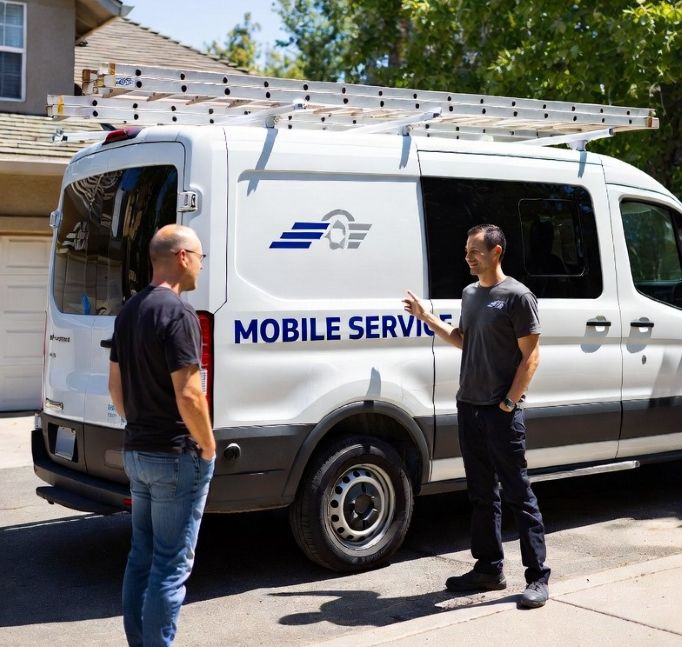
The color palette and typography used in branding also play a psychological role. Many successful glass repair teams use shades of blue or white, which are colors often associated with clarity, precision, and cleanliness in professional settings. This attention to the environment mirrors how modern offices use biophilic design concepts to create a sense of calm and well-being for clients. When these colors are applied to mobile repair units, they turn a standard work van into a mobile billboard of reliability. Every time a neighbor sees that branded vehicle parked on a street, the visual identity of the company grows stronger in the community. This organic recognition is far more valuable than traditional paid advertising because it is tied to a real-world service event.
The color palette and typography used in branding also play a psychological role. Many successful glass repair teams use shades of blue or white, which are colors often associated with clarity, precision, and cleanliness in professional settings. When these colors are applied to mobile repair units, they turn a standard work van into a mobile billboard of reliability. Every time a neighbor sees that branded vehicle parked on a street, the visual identity of the company grows stronger in the community. This organic recognition is far more valuable than traditional paid advertising because it is tied to a real-world service event.
Aligning Aesthetics With Core Values
To truly master visual branding, a business must ensure its look matches its actions. If a company claims to be “eco-friendly” but uses excessive plastic packaging or drives poorly maintained vehicles, the brand story breaks. Strategic service design requires a deep dive into the company’s “why.” If the goal is speed, the visual elements should feel dynamic and modern. If the goal is artisanal craftsmanship, the branding might lean into a more classic, high-touch aesthetic. Consistency is the bridge that connects what a company says to what it actually does.
Small business owners can start by auditing their current customer journey. They should look at every point where a client sees their brand, from the first Google search to the final payment confirmation. Is the tone of the emails consistent with the personality of the technicians? Is the logo on the shirt the same as the one on the website? Correcting these small discrepancies costs very little but significantly elevates the perceived value of the work. When the service feels designed, the customer feels valued.
The Future of Local Branding
As we move further into a digital-first economy, the physical aspects of service will become even more important as points of differentiation. People crave human connection and tangible proof of quality. Local glass repair specialists who embrace service design are not just fixing cars; they are building a reputation that can withstand market fluctuations. By focusing on the visual and experiential details, these businesses transform a routine chore into a memorable interaction that encourages word-of-mouth referrals.
The ultimate lesson is that branding is an ongoing conversation. Every repaired chip and every polite email is a sentence in that story. When a company treats its service as a designed product, it creates a brand that people don’t just recognize, but one they actually trust. This level of intentionality is what allows a local provider to thrive alongside national chains while maintaining a unique, personal identity.